Hygiene zones in food production: Controlling risk through smart equipment choices
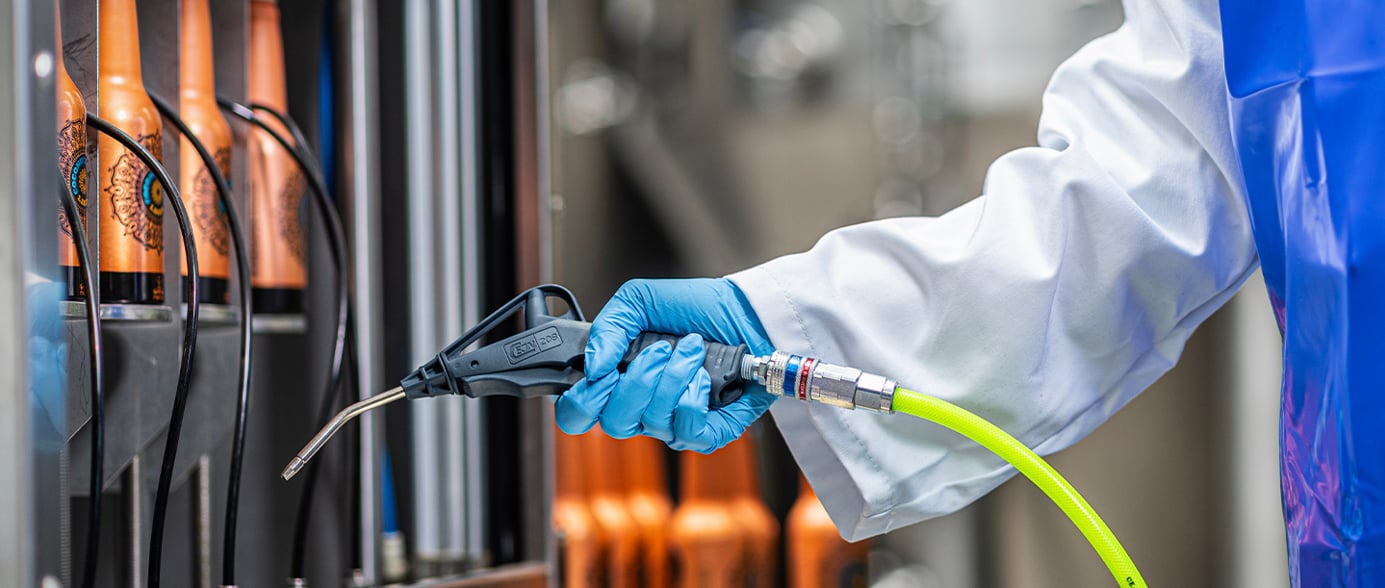
Hygiene zones are essential in modern food and beverage production, as is choosing the right equipment for each area. By separating facilities into clearly defined zones with different hygiene requirements, producers can reduce cross-contamination risks and maintain consistent product quality.
Although hygiene zones are not explicitly required by law, they are strongly rooted in European hygiene legislation – particularly Regulation (EC) No. 852/2004 on food hygiene. Together with good hygiene practices, industry guidelines, and international standards, hygiene zoning is today regarded as best practice in food safety.
What is a hygiene zone?
A hygiene zone can be described as a clearly demarcated area of production with a defined microbiological risk level. Each zone is governed by specific rules for personnel, equipment, and material flows, as well as tailored cleaning and maintenance procedures.
Hygiene zones can be described in many ways. The number of zones and the colour coding may vary between companies, but the underlying principle remains the same. CEJN offers a range of food-grade products that support hygiene-critical environments, helping ensure that the right equipment is used in the right areas.
By adapting both processes and equipment to the requirements of each zone, a stable, controlled, and safe production environment can be achieved.
Examples of hygiene zones in a food facility
A food processing facility typically contains several different hygiene zones. The example below illustrates one possible zoning and color-coding approach; however, both the number of zones and the colors used may vary between facilities:
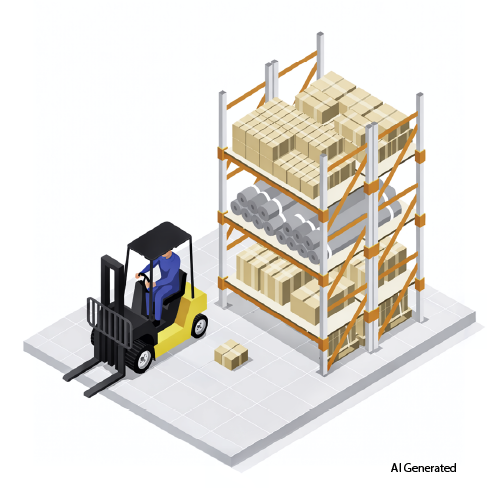
Black zones (general areas): These include spaces without contact with exposed food, such as warehouses, technical rooms, and staff areas, where basic hygiene requirements apply.
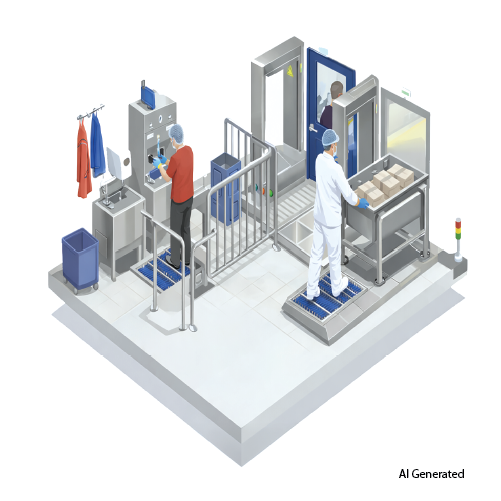
Grey zones: These act as transition areas and hygiene locks to break contamination routes and ensure correct flows of people and materials.
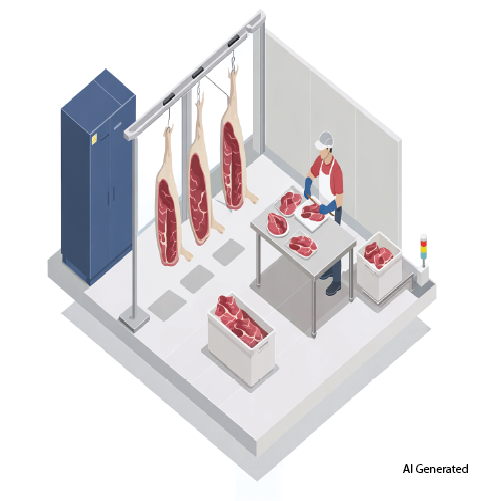
Red zones: Here, raw materials are handled, often with a high microbiological load, which is common in meat, fish, and poultry processing.
White zones: In this zone, the product must no longer be exposed to contamination risks, placing the highest demands on equipment design, material selection, and cleanability.
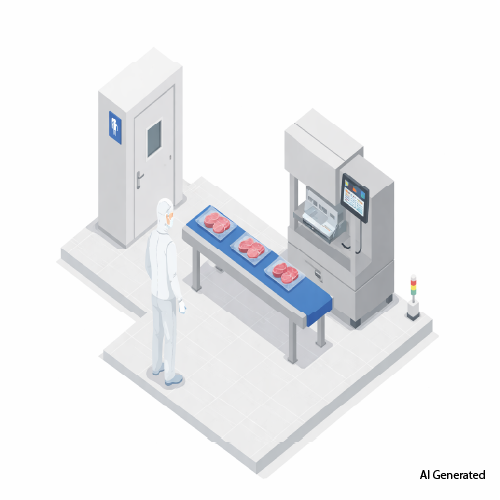
Equipment challenges and solutions in the red zone
In the red zone, equipment is exposed daily to intensive washdown, aggressive cleaning chemicals, and mechanical wear. At the same time, cleaning must be carried out efficiently and in a controlled manner without creating new risks.
CEJN’s Washdown solutions are developed specifically for these demanding environments, combining high-pressure cleaning with controlled flow, durable materials that withstand harsh chemicals, and ergonomic designs that reduce operator strain.
High hygiene requirements in the white zone
In the white zone, there is no room for compromise. Finished or nearly finished products are handled here, and every component in the environment must be selected with the utmost care.
CEJN SafetyReel FS hose reels with hygienic design are specifically adapted for high-hygiene areas. All internal parts that come in contact with compressed air are selected to meet food industry requirements, ensuring a hygienic air supply from the coupling to the hose outlet. Controlled hose management minimises the risk of floor contact and contributes to a cleaner production environment.
Detectable equipment
For compressed air applications in these sensitive zones, CEJN offers the 208 Detect blow gun, manufactured from food-grade plastic and designed to be both metal- and X-ray detectable. Together with CEJN's hygienically designed SafetyReel FS hose reels, it supports a safer and more controlled production environment. If a component were to be damaged and unintentionally enter the production process, it can be identified by existing detection systems, reducing the risk of costly recalls.
Effective hygiene zoning is therefore not just about walls, signage, and procedures – it is equally about selecting equipment that is adapted to the realities of each zone.
Related Stories

Ricola’s recipe: clean, safe and sustainable food production
Cleaning in food production is a major challenge, particularly for candy manufacturers, where sugar dust stubbornly accumulates on equipment. When combined with moisture, this residue becomes difficult to remove and can lead to machinery malfunctions. To address these issues, Ricola evaluated new...

Introducing SafetyReel FS – the food-safe retractable hose reel for compressed air
Within the food and beverage industry, maintaining clean, food-grade compressed air is essential to prevent contamination, ensure regulatory compliance, and protect consumers. To enhance food-safety...

Introducing the 208 Detect blow gun - developed for improved food safety within the food and beverage industry
Within the food and beverage sector, the primary focus remains on upholding the most rigorous standards of food safety. To enhance the safety of the production process, CEJN launches a cutting-edge...