CEJN and TESS collaborate to develop revolutionary remote loading auto-coupling plate for offshore bunkering
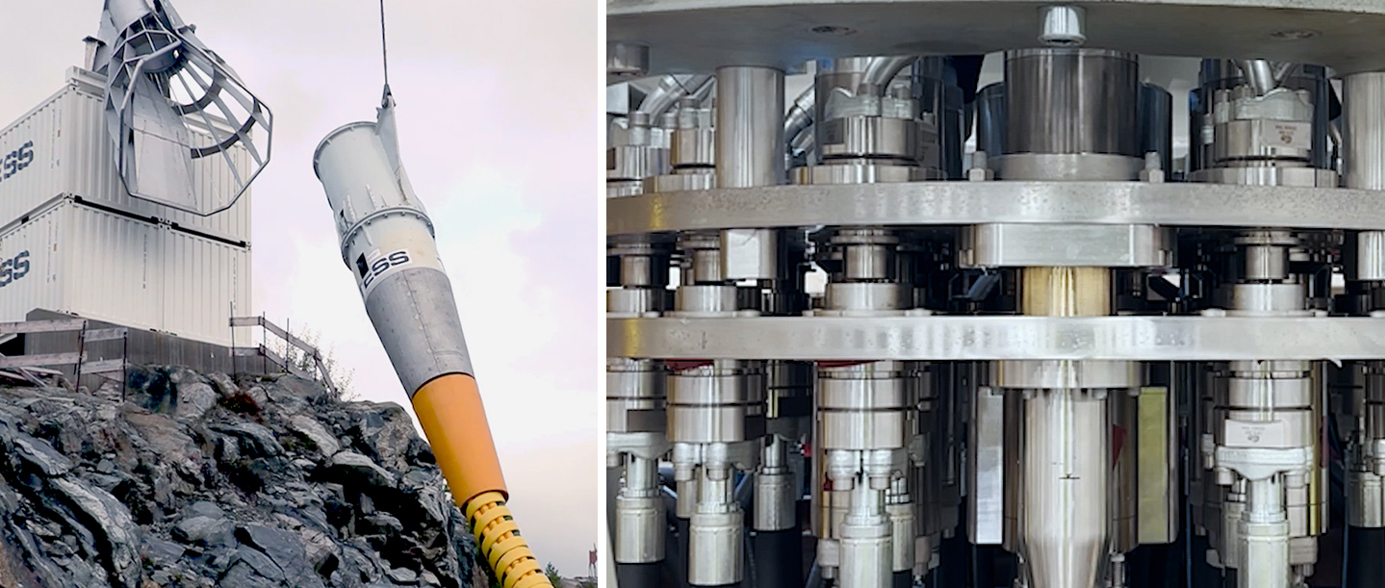
Some application environments present greater challenges than others, and offshore bunkering is one of the most demanding. After growing market needs, TESS partnered with CEJN to develop a remote loading auto-coupling plate for chemical handling, a project to set the new standard for offshore bunkering.
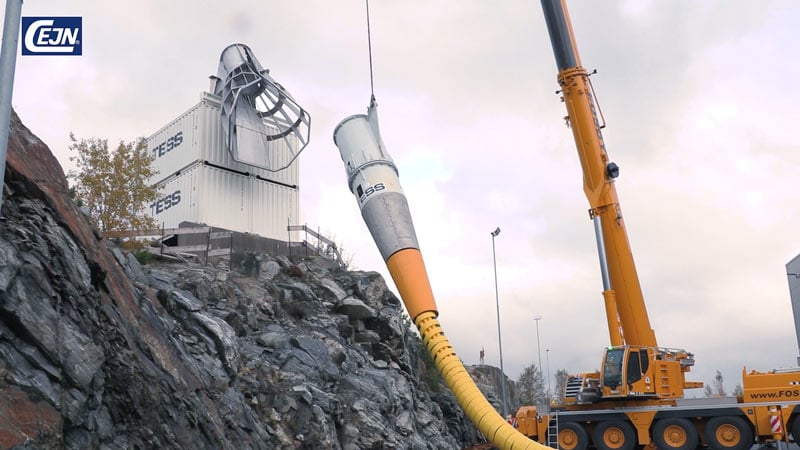
Operating offshore comes with challenges, mainly due to exposure to harsh saltwater environments. TESS, a Norwegian specialist in hydraulic and subsea hoses, identified a growing need for remote loading of chemicals between supply vessels and oil platforms offshore. In close engineering collaboration with CEJN, specially designed auto-couplings to a remote loading plate were developed, allowing bunkering of multiple chemicals in one single hydraulic strike. “Instead of several hours of manually completing the connections, the CEJN auto-couplings in the quick-connect multi-plate are connected in one single connection within 10-15 seconds”, says Lars-Otto Fredriksen, Director of Fluid Conveyance at TESS.
“Instead of several hours of manually completing the connections, the CEJN auto-couplings in the quick-connect multi-plate are connected in one single connection within 10-15 seconds”
Lars-Otto Fredriksen, Director of Fluid Conveyance at TESS
The project's primary goal is to reduce health, safety, and environmental (HSE) risks, simplify operations on oil platforms, and reduce overall platform weight. "By shifting chemical handling to a remote system, the project significantly improves the operators' working conditions," says Fredriksen. "Remote handling eliminates the need for direct human involvement, has a positive impact on the environment and reduces potential hazards", he continues.
Adapting to unique project demands
A reliable and transparent partnership was essential to the project’s success, where open communication and mutual trust were critical factors in achieving shared goals. “There are no winners and losers in a partnership like this. We need to win together,” says Fredriksen.
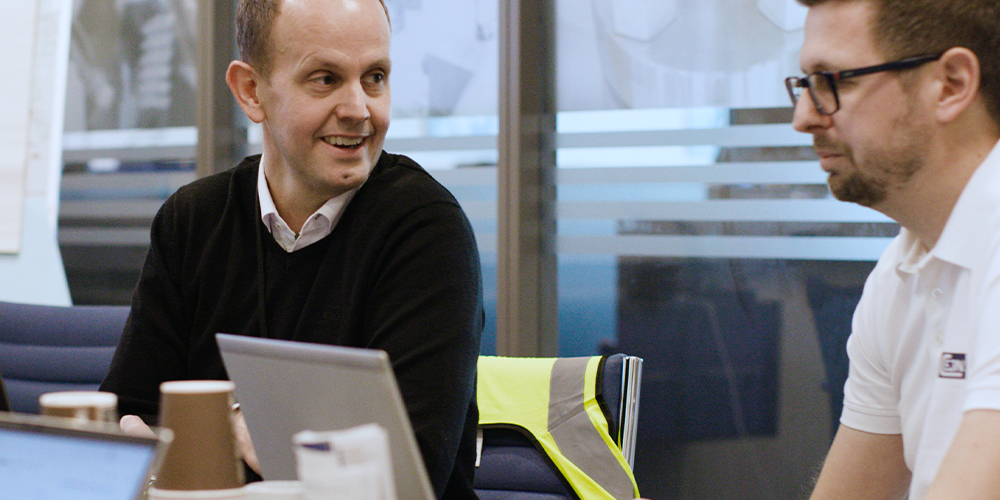
Open and transparent communication between CEJN and TESS has been key to the project collaboration.
Given the extreme environmental conditions, material selection was a key consideration throughout the developing phase. “As a supplier in customised projects like this, it’s important to stay flexible and responsive to the unique requirements and challenges,” explains Mattias Johansson, Product Manager for Multi- and Auto couplings at CEJN. “In this case, the coupling material was a significant factor. After extensive in-house testing at CEJN and close collaboration with TESS, we developed a solution to meet the specific challenges of this project,” he continues.
The auto-couplings designed and developed are made from high-grade duplex materials and Hastelloy, a nickel-based corrosion-resistant alloy. Each coupling plate is equipped with 26 CEJN auto couplers, including six DN50-sized couplings. “The selection of durable materials ensures the couplings can withstand extreme conditions, such as saltwater environments, while maintaining optimal performance”, Johansson adds.
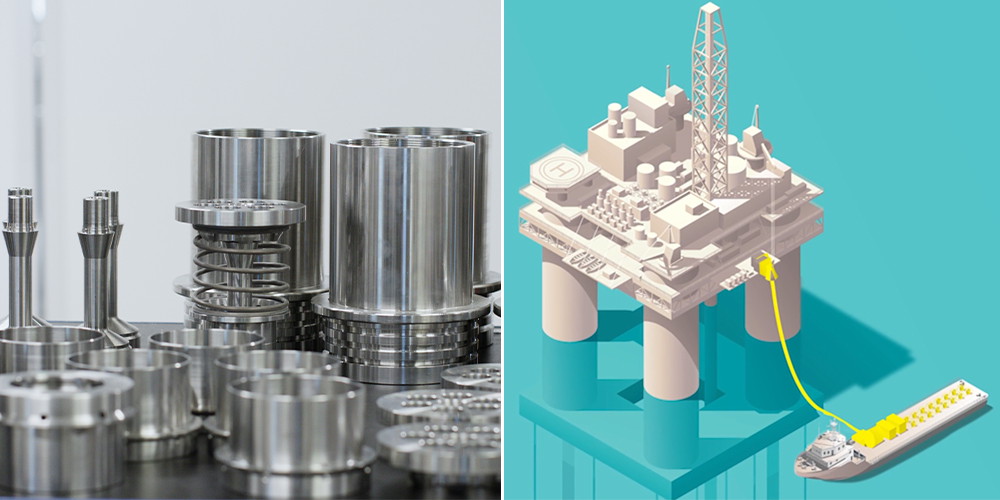
The CEJN auto-couplings, made from high-grade duplex materials and Hastelloy, withstand the most challenging sea conditions and enable a connection of up to 26 chemicals with only one single hydraulic strike.
A new era for offshore bunkering
A crucial task for operators on platforms involves handling chemicals via crane lifts. Traditionally, operators manually managed 50 to 60 crane lifts. This remote-loading bunkering solution has reduced the number of crane lifts to one. “With only one crane lift that can load up to 26 chemicals remotely, we save considerable time and eliminate potential hazards for operators”, Fredriksen says. “This way will change the way of bunkering in the oil and gas business,” he concludes.
“With only one crane lift that can load up to 26 chemicals remotely, we save considerable time and eliminate potential hazards for operators”
Lars-Otto Fredriksen, Director of Fluid Conveyance at TESS
Related Stories
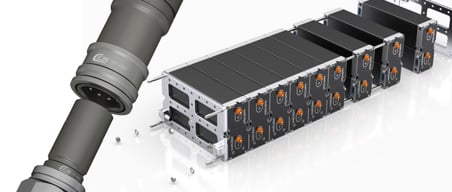
WATTALPS chooses CEJN's ultraFLOW quick connectors for its advanced Lithium-ion batteries
WATTALPS is meeting the rising demand for high-performance batteries built for the most challenging industries. Focusing on innovation and reliability, the company partnered with CEJN to enhance the efficiency and flexibility of its advanced battery systems by integrating CEJN ultraFLOW quick...
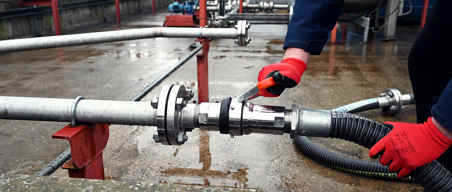
How Reynolds Training Services Ltd uses CEJN Smartflow dry break couplings to teach safety in high-hazard industries
Protecting people and the environment in high-hazard industries is at the heart of Reynolds Training Services Ltd, a UK-based provider of specialist training and competence assessments tailored to high-risk sectors. Within their purpose-built training facilities, CEJN Smartflow dry break couplings...
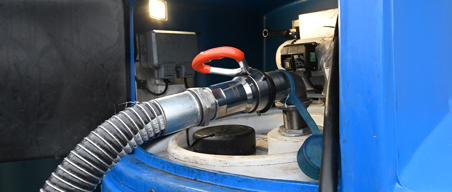
How ChemPlus relies on CEJN Smartflow dry break couplings for safe AdBlue distribution
Reliable equipment is critical for effective AdBlue distribution. ChemPlus, which delivers over 650,000 litres across the UK each week, relies on CEJN Smartflow dry break couplings to ensure clean, leak-free on-site fluid handling...